
PERFORMANCE AND LONGEVITY
INTEGRATED CARE FOR
Physical therapy, strength training, and nutrition aligned to build and protect capacity while keeping you strong over time.
OUR PHILOSOPHY
A NEW STANDARD FOR
LONG-TERM HEALTH
Most people manage health reactively—responding to pain, setbacks, or changes as they arise.
At The Bond, health is managed proactively through a coordinated system that evolves with you over time.
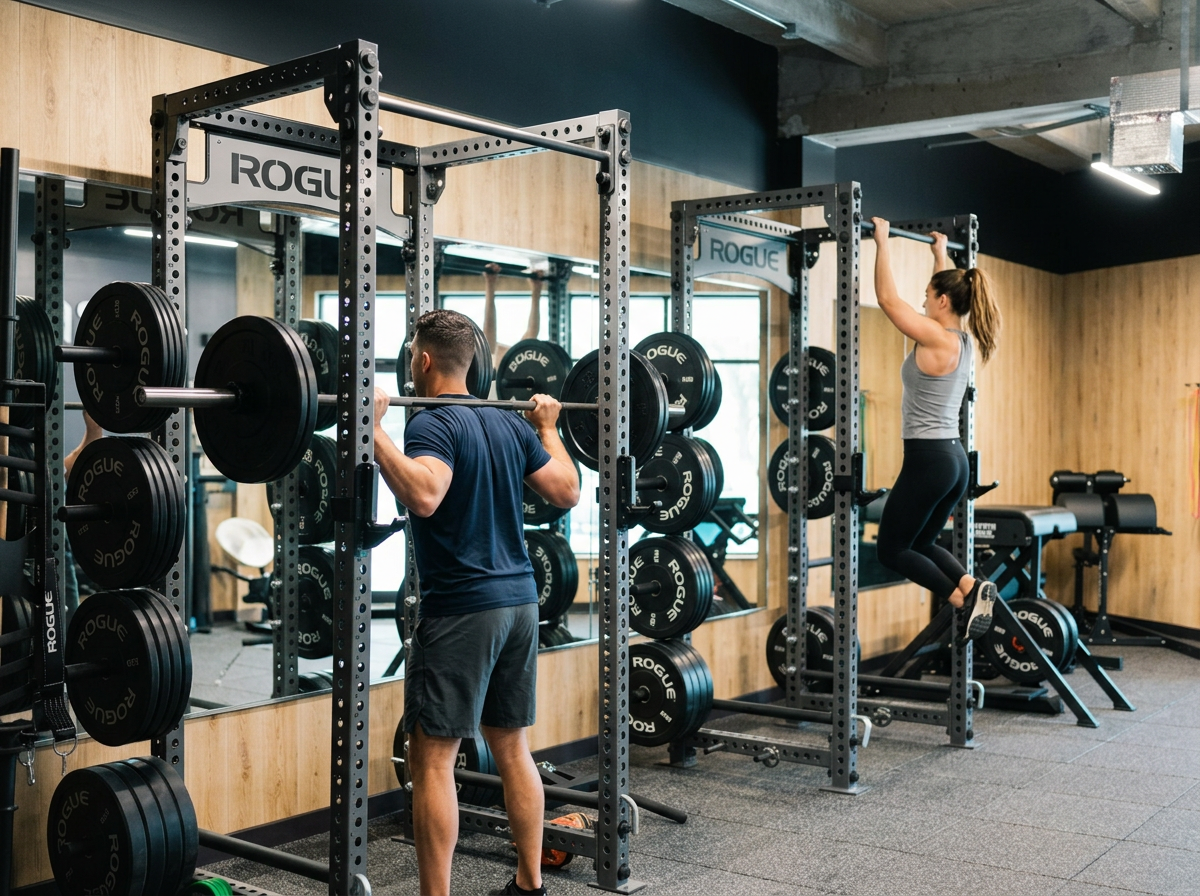
The Bond is a private, membership-based facility where physical therapy, strength development, and recovery are delivered within one continuous plan designed to support long-term performance and resilience.

THE PROBLEM
HEALTH SHOULD NOT BE FRAGMENTED
Without The Bond
Physician
treats symptoms
Therapist
manages pain
Gym
builds strength
Nutrition
addresses diet
The Bond
brings them together
With The Bond
Most people manage their health across disconnected environments. These disciplines rarely communicate. Progress becomes inconsistent and long-term capacity declines.
THE BOND
was created to solve this problem.

THE SOLUTION
THE BOND CONTINUUM OF CARE
Care should evolve as the body evolves.
Our model aligns physical therapy, strength development, and long-term health into one continuous system—so progress doesn’t stop when circumstances change.
WHAT WE DO
FOUR SERVICES, ONE PLAN
Strength & Performance
Programming built around your goals
Physical Therapy & Clinical Care
Rehab and return-to-performance
Nutrition & Lifestyle Support
Fuel, habits, and daily structure
Recovery & Manual Therapy
Hands-on work that keeps you moving
CAPACITY DETERMINES LONGEVITY
STRENGTH EXPANDS.
RISK CONTRACTS. CAPACITY
COMPOUNDS
The Bond vs. Fragmented Care
WITH THE BOND
WITHOUT IT
Strength training and integrated care preserve capacity — independence into the 80s is achievable.
Strength declines ~1% per year after 50, accelerating to ~3.4% after 75. 70% of adults 65+ already need ongoing help.
Illustrative model based on published research. Individual outcomes vary by adherence, baseline health, genetics, and program design.
Sarcopenia & strength: ~1% loss/year of muscle mass after age 40; ~1% strength loss/year from the fifth decade, accelerating to ~3.4%/year after 75. J Strength Cond Res (NSCA Position Stand, 2019); Clin Interv Aging (2013); J Cachexia Sarcopenia Muscle (2025).
1
Independent-living–related physical function declines ~10–15% per decade in older adults. BMC Geriatrics (2024).
2
~70% of U.S. adults 65+ will require ongoing assistance with two or more activities of daily living. Scientific Reports (2024).
3
Heavy resistance training can reverse decades of decline in strength and power in healthy and diseased older adults. J Cachexia Sarcopenia Muscle (2025); NSCA Position Stand (2019).
4
Maintaining physical function through age 80 predicts continued independence in late life. J Gerontol A (Women's Health Initiative, 2018).
5
THE TAKEAWAY
HOW YOU TRAIN, RECOVER, AND ADAPT TODAY DETERMINES HOW CAPABLE YOU REMAIN OVER TIME.
When care is coordinated, capacity builds and sustains. When it is fragmented, it declines.


THE BOND MEMBERSHIP
MEMBERSHIP IS THE FOUNDATION OF THE BOND EXPERIENCE.
It allows our team to plan, coordinate, and evolve care over time rather than delivering disconnected sessions.
WHAT MEMBERS EXPERIENCE OVER TIME

Up to 100%
increase in measurable strength within 8–12 weeks
45–65%
lower injury risk over time
35–50%
faster return to training after setbacks or surgery
2–3x
greater long-term consistency compared to
fragmented care
Strength Training & Injury Prevention
Strength Training as Superior, Dose-Dependent and Safe Prevention of Acute and Overuse Sports Injuries British Journal of Sports Medicine (2018)
The Effectiveness of Exercise Interventions to Prevent Sports Injuries: A Systematic Review and Meta-analysis of Randomized Controlled Trials British Journal of Sports Medicine (2014)
Physical Activity, Function, and Healthy Aging
Physical Activity Guidelines for Americans, 2nd Edition U.S. Department of Health & Human Services
Outcome ranges are informed by published research on strength training, injury prevention, rehabilitation, exercise adherence, and long-term physical capacity. Individual results vary.
Strength Training & Long-Term Health
Muscle-Strengthening Activities Are Associated With Lower Risk of All-Cause Mortality British Journal of Sports Medicine (2022)
Exercise Adherence & Outcomes
World Health Organization: Physical Activity Fact Sheet
MEMBER VOICES
TESTIMONIALS
FOR PHYSICIANS & MEDICAL PROFESSIONALS
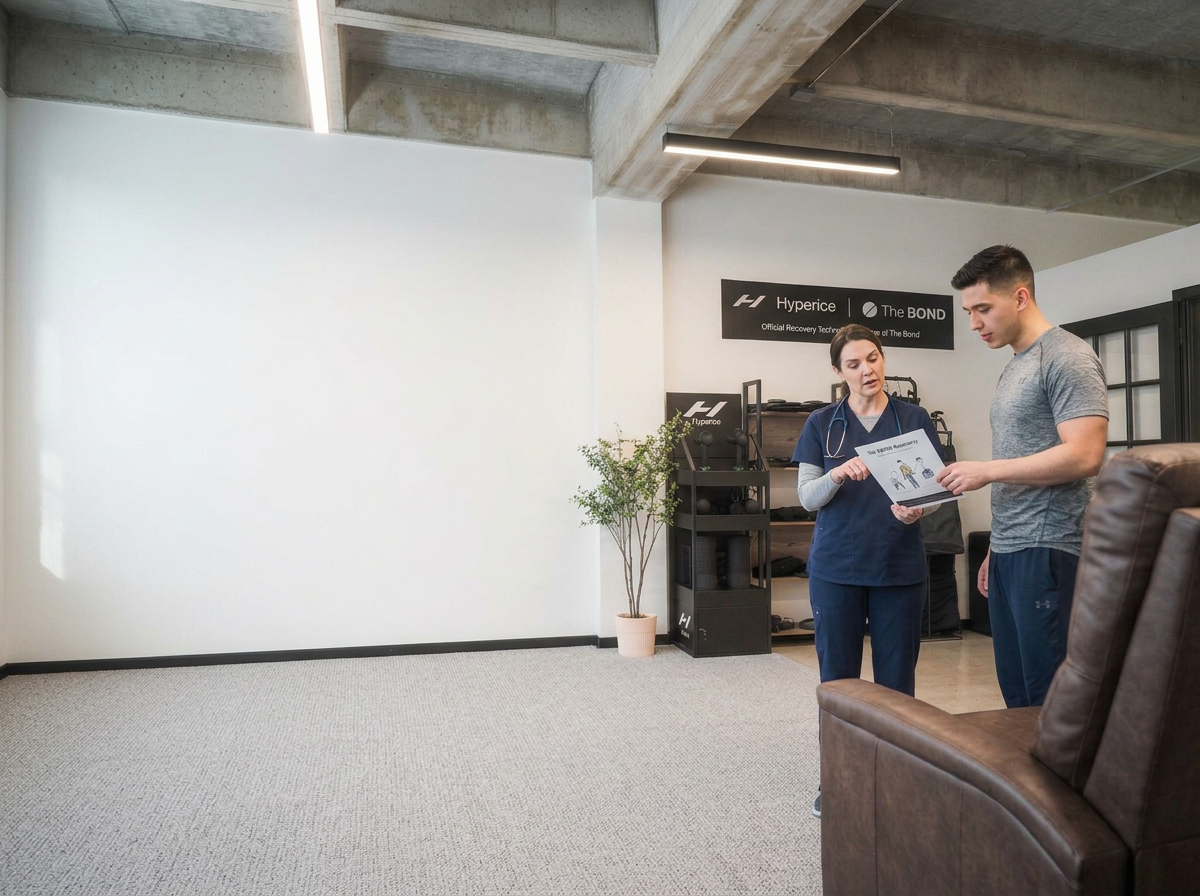
The Bond serves as a trusted extension of care, helping patients continue progressing through recovery, performance, and long-term health.